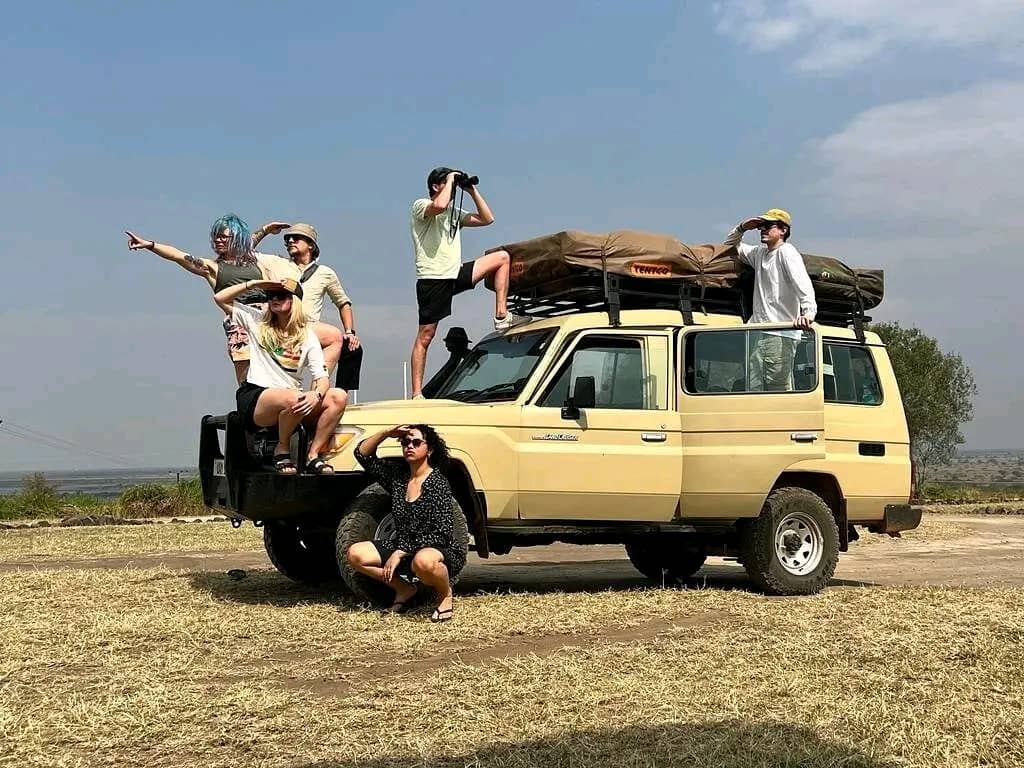

Uganda is one of Africa’s most extraordinary safari destinations, famous for its gorilla trekking, stunning landscapes, and rich wildlife. However, like many tropical countries, it is also a malaria-endemic area. Because of the prevalence of malaria in the region, its important for tourists to know What to Do If You Get Malaria on Safari in Uganda.
Even with proper precautions, it’s possible to contract malaria while traveling. The good news is that malaria is treatable if you act quickly. Visit Uganda outlines exactly what to do if you get malaria while on safari in Uganda, including where to get help, what treatment to expect, and how to protect yourself afterward.
Step 1: Recognize Malaria Symptoms Early
The first signs of malaria can feel similar to the flu. Common symptoms include:
-
Fever and chills
-
Headache or body aches
-
Nausea or vomiting
-
Fatigue and weakness
-
Sweating and shivering
Symptoms often appear 7–14 days after a mosquito bite, but can also develop sooner. If you notice these signs during your safari, take them seriously and seek help immediately because you could have caught Malaria on Safari in Uganda.
Pro Tip: Carry a thermometer in your travel medical kit. A fever is often the earliest sign of malaria.
Step 2: Get Medical Help if you get Malaria on Safari in Uganda
Medical help is available in or near most major safari destinations in Uganda. If you feel unwell:
-
Inform your guide or lodge staff right away.
-
They can arrange transport to the nearest clinic or hospital.
-
Many lodges have access to medical professionals or emergency contacts.
Examples of nearby medical facilities:
-
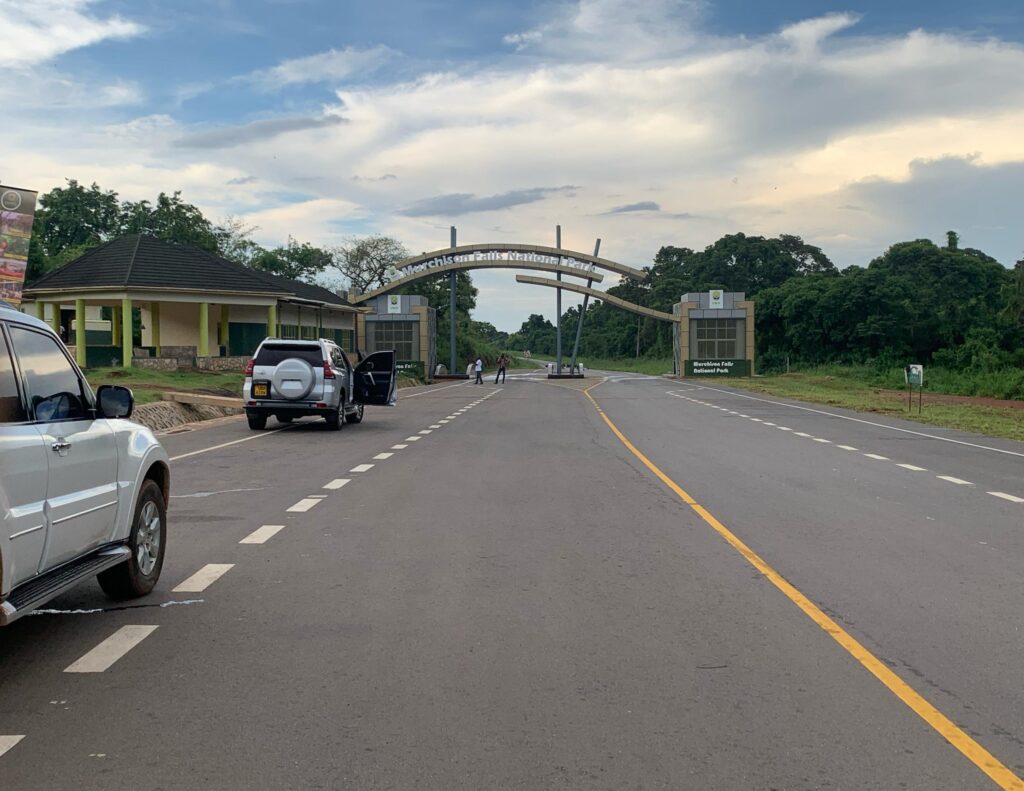
Murchison Falls National Park → Pakwach Health Centre or Nile Safari Lodge Clinic
-
Queen Elizabeth National Park → Kasese District Hospital or Mweya Clinic
-
Bwindi Impenetrable Forest → Bwindi Community Hospital
-
Kidepo Valley National Park → Kitgum General Hospital or evacuation to Kampala
Emergency Tip: Save your lodge’s emergency contacts and ambulance numbers before starting your safari.
Step 3: Confirm the Diagnosis and Begin Treatment
In Uganda, malaria is usually diagnosed using rapid diagnostic tests (RDTs), which give results in about 15–30 minutes.
If the test is positive, you’ll receive artemisinin-based combination therapy (ACT), the recommended and effective treatment. Severe cases may require hospital admission for intravenous treatment.
What to expect:
-
A brief consultation and rapid test
-
A prescription or immediate treatment
-
Clear dosage instructions
-
Recommended rest and hydration
Important: Do not self-medicate with leftover antimalarials. Always get tested first.
Step 4: Use Travel Insurance for Emergencies
If you have travel insurance, malaria treatment or evacuation is usually covered. Depending on the severity of your illness:
-
Mild cases can be treated at local clinics.
-
Severe cases may require evacuation to Kampala or Entebbe.
-
Insurance can help cover medical costs and evacuation.
Always carry digital and printed copies of your insurance policy and emergency contacts.
Step 5: Prevent Reinfection During Your Safari
Even after treatment, you should continue taking steps to avoid mosquito bites and reinfection.
Practical prevention tips:
-
Sleep under insecticide-treated mosquito nets.
-
Wear long-sleeved clothing in the evenings.
-
Apply mosquito repellent with DEET or picaridin.
-
Keep your accommodation closed at night.
-
Continue taking your prescribed prophylaxis.
Most lodges provide mosquito nets, but bringing your own repellent and medication is wise.
Step 6: Pack a Personal Malaria Medical Kit
Before your safari, prepare a small health kit to help manage potential malaria symptoms and emergencies. Recommended items include:
-
Prescription antimalarial tablets
-
Thermometer
-
Oral rehydration salts and electrolytes
-
Pain relievers (paracetamol or ibuprofen)
-
Insect repellent
-
Emergency contact list
This simple preparation can make a big difference if you become ill far from a hospital.
Step 7: Know When to Rest or Postpone Your Safari
If your symptoms are severe or your energy levels are low, it’s best to rest or postpone further travel.
Tour operators in Uganda are often flexible with guests facing medical issues. You may be able to:
-
Reschedule activities or tours
-
Arrange transport to Kampala or Entebbe
-
File a travel insurance claim for lost days
Your health should always come first. Recovering fully before resuming activities will make your trip more enjoyable and safe.
Frequently Asked Questions about Malaria on Safari in Uganda
How common is malaria on safari in Uganda?
Malaria is present throughout Uganda, especially in rural and lowland areas. However, most travelers who take preventive measures remain safe.
Can I get treatment inside the park?
Most lodges can arrange quick transfers to nearby clinics or hospitals. Parks close to towns have basic medical facilities.
How long does it take to recover?
With prompt treatment, most people recover within 2–5 days, though full recovery may take up to a week.
Should I cancel my safari if I get malaria?
Not necessarily. Mild cases can be treated quickly, and many travelers continue their trips after resting. Severe cases may require evacuation and recovery time.
Final Thoughts about Malaria on Safari in Uganda
Getting malaria on safari in Uganda can be unsettling, but with quick action and proper medical care, recovery is highly likely.
Remember to:
-
Act fast if symptoms appear.
-
Seek professional medical help immediately.
-
Use travel insurance if evacuation is needed.
-
Continue preventive measures during your stay.
Uganda remains a spectacular safari destination, and being prepared ensures you can explore it safely and confidently.